Stepping into a dispensary for the first time can feel like walking into a foreign country where everyone’s fluent except you. From terpenes to flower, cannabis culture has its own language that can leave beginners scratching their heads. That’s why we created this guide to cannabis terms for beginners, so you’ll know what people are talking about without feeling lost.
This isn’t a dry textbook glossary. It’s a practical, beginner-friendly cheat sheet that covers the 21 terms you’ll actually hear and use in real conversations.
Key Takeaways
-
Cannabis terms for beginners blend science, slang, and culture.
-
Knowing the basics makes dispensary visits way less intimidating.
-
This list covers practical words you’ll see on menus and hear from friends.
-
Learning cannabis jargon gives you confidence in any cannabis conversation.
-
You don’t need to know everything, just start with these 21 essentials.
21 Cannabis Terms for Beginners You’ll Actually Hear
“At Chronic Guru, we always tell new visitors that once you know just a handful of cannabis terms, the whole menu opens up. You don’t need to memorize every word — start small, and you’ll feel at home fast.” — Chronic Guru Team
The Cannabis Basics
Flower
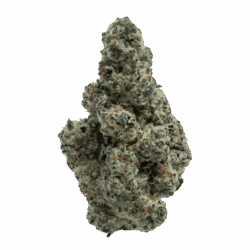
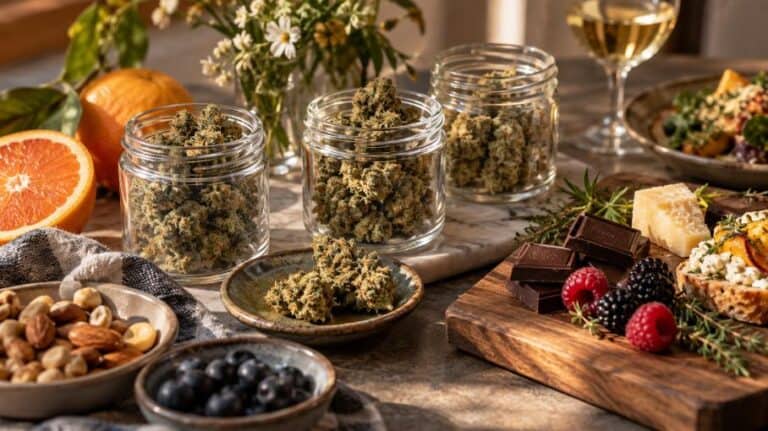
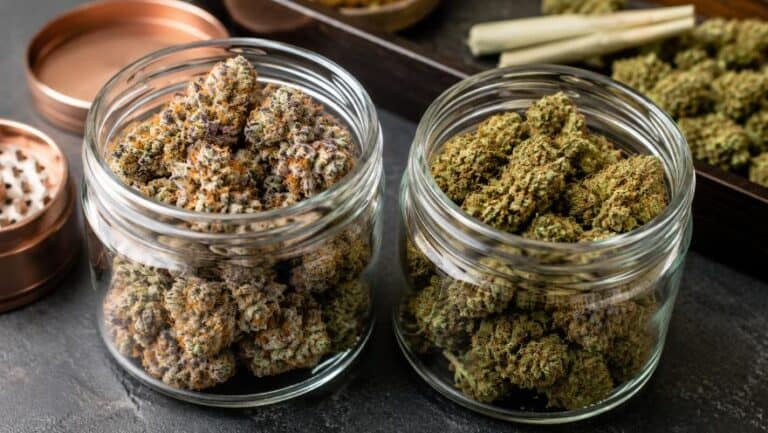
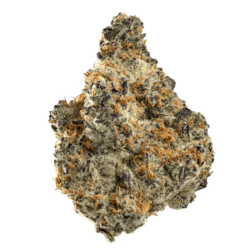
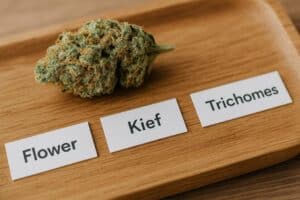
The smokable part of the cannabis plant, also called “bud.” When someone says, “I picked up an eighth of flower,” they’re talking about dried cannabis ready to roll, pack, or vape.
Strain
A specific variety of cannabis with unique names, flavors, and effects. Strains like Sour Diesel or Blue Dream are shorthand for how the experience might feel.
Hybrid
Crosses between indica and sativa strains. Some lean relaxing, others energizing, and many balance somewhere in between.
Indica
Known for body-heavy, relaxing effects. Often chosen for winding down or nighttime use.
Sativa
Often linked with energizing, uplifting highs. Many prefer sativas for daytime activities or creative projects.
Consumption Methods and Products
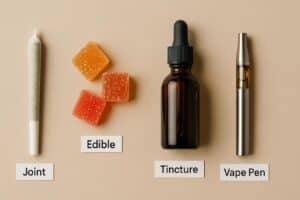
Joint or Pre-Roll
A classic cannabis cigarette rolled with paper. Pre-rolls (or pre-rolled joints) are sold by dispensaries are perfect if you’re not ready to roll your own.
Blunt
Cannabis rolled in a cigar wrap or hollowed-out cigar. They burn slower and usually pack more cannabis than a joint.
Edibles
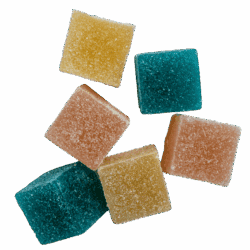
Cannabis-infused foods or drinks like gummies, brownies, or sodas. They take 30–90 minutes to kick in but last hours longer. Remember the golden rule: start low, go slow.
Tincture
A liquid cannabis extract usually dropped under the tongue. Tinctures are discreet, easy to measure, and great if you don’t want to smoke.
Concentrates
Potent cannabis extracts like wax, shatter, or oil. Think of them as the liquor of cannabis: strong, fast-acting, and better once you have some experience.
Dabs
Tiny portions of concentrates vaporized with special gear like a dab rig. Known for their strength, they’re usually something people try after starting with flower.
Cannabis Compounds and Science
THC
The main psychoactive compound in cannabis — the one that gets you high. Menus often list THC percentages to show potency.
CBD
Non-intoxicating and known for calming or therapeutic effects. CBD won’t get you high but can support relaxation or be paired with THC.
Cannabinoids
The family of compounds in cannabis, including THC, CBD, CBG, and CBN. Each has its own unique effects on the body.
Terpenes
Aromatic compounds that give cannabis its smell and flavor. They also shape effects — limonene can feel uplifting, while myrcene is more relaxing.
Trichomes
The tiny, frosty crystals covering buds. They produce cannabinoids and terpenes and give flower its sticky, sparkly look.
Resin
The sticky substance inside trichomes. It’s potent on its own and is collected to make concentrates.
Kief
Loose trichome powder that collects in grinders. Sprinkle it on a bowl for extra potency or press it into hash.
Cannabis Culture and Community
420
Cannabis culture’s universal code for weed, with April 20 celebrated as the unofficial holiday.
Dime Bag
Old-school slang for $10 worth of weed. Rare in legal markets but still shows up in stories and music.
Dispensary
Licensed stores where cannabis products are legally sold. For beginners, this is the gateway to the full cannabis shopping experience.
Why Learning Cannabis Terms for Beginners Matters
Cannabis has always been more than just a plant, it’s a culture with its own language. Understanding the words people actually use helps you shop with confidence, avoid awkward misunderstandings, and feel more at home in the community.
Learning cannabis terms for beginners isn’t about memorizing a dictionary, it’s about knowing enough to feel comfortable, ask questions, and enjoy the experience.
Quick Comparison: Indica vs. Sativa vs. Hybrid
| Term | Effects | Common Use | Example Strain |
|---|---|---|---|
| Indica | Relaxing, body high | Nighttime | Granddaddy Purple |
| Sativa | Energizing, head high | Daytime | Sour Diesel |
| Hybrid | Balanced mix | Anytime | Blue Dream |
Final Thoughts
Learning cannabis terms for beginners is like picking up a new dialect, you don’t need to know everything at once, just the essentials. These 21 words will give you a solid foundation whether you’re reading a dispensary menu, joining a smoke session, or just chatting with friends.
As you gain experience, the language will feel natural, and you’ll find yourself using cannabis jargon without even thinking about it. Until then, this guide has you covered.
FAQs
What is the most important cannabis term for beginners?
Flower is the most important term since it’s the most common way cannabis is consumed.
Is cannabis terminology the same everywhere?
Not exactly. Some slang like “dime bag” comes from older cannabis culture, while dispensaries stick to formal product names like “tincture” or “concentrates.”
Do I need to know all 21 cannabis terms right away?
Not at all. Start with the basics – flower, THC, CBD, joint – and you’ll naturally pick up the rest over time.
What’s the difference between THC and CBD?
THC gets you high, while CBD doesn’t. They’re both cannabinoids but affect your body differently.
Are slang terms still used in legal markets?
Yes, but they’re less common. Dispensaries typically use scientific or official names, while slang is more common in casual conversations.