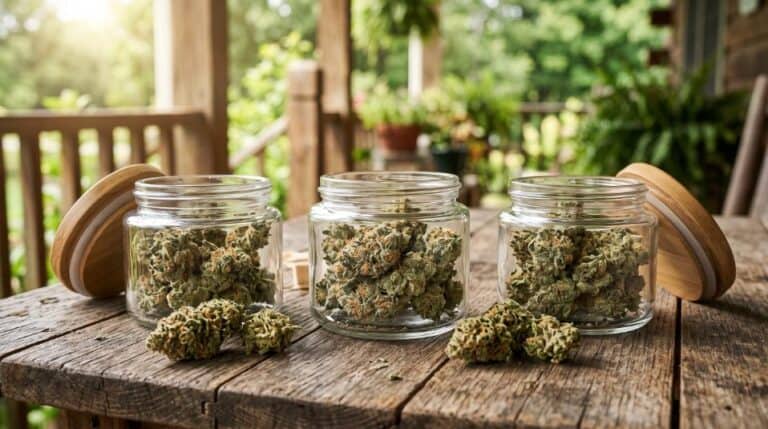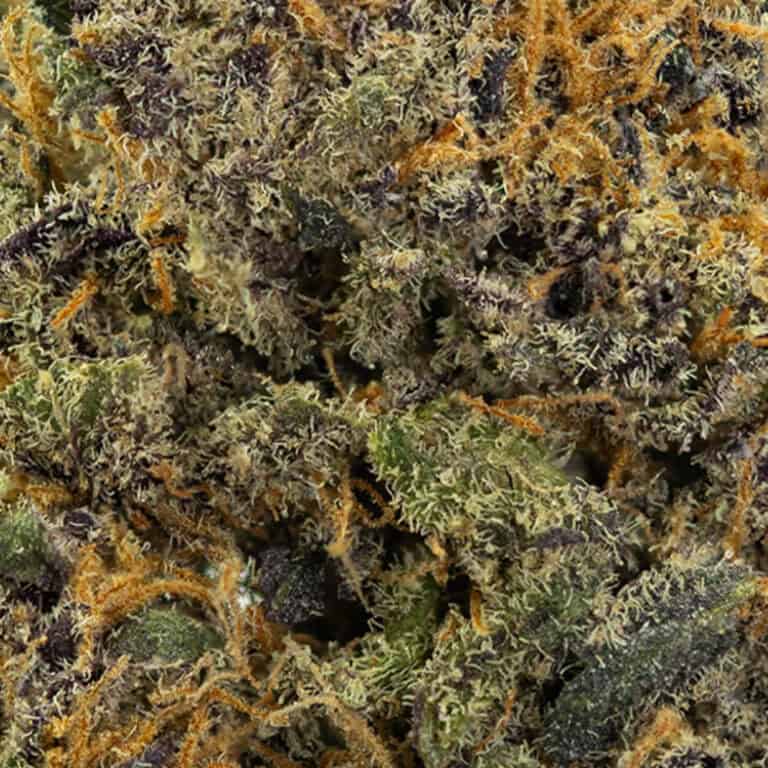
The dispensary menu says 31% THC, and suddenly every other number starts looking decorative. THC is easy to compare, and it matters for potency. Higher inhaled doses can produce a stronger high, so that number is not meaningless.
But terpenes vs THC isn’t a winner-take-all contest. THC tells you one useful part of the story. Terpenes tell you about aroma and flavor and may contribute to the broader experience without guaranteeing what happens next.
Key Takeaways
- THC percentage is a potency clue, not a complete quality score.
- Terpenes are volatile compounds that contribute significantly to cannabis aroma.
- A terpene profile cannot guarantee a specific effect.
- Choosing flower gets more useful when you consider potency, aroma, chemistry, and personal preference together.
Terpenes vs THC: What Does Each Actually Tell You?
THC is the main intoxicating cannabinoid in cannabis. Its percentage gives you useful information about potency, but it can’t tell you how the flower will smell, taste, or rank among your favorites.
Terpenes are a major part of the volatile compounds behind how cannabis smells and tastes. They’re the difference between a jar that hits you with citrus and one that smells like diesel.
| What You Check | What It Can Tell You | What It Cannot Promise |
|---|---|---|
| THC percentage | A useful potency clue | Overall quality |
| Terpene profile | Aroma chemistry and flavor clues | An exact experience |
| Aroma | What that flower actually smells like | Potency |
| COA | Tested information reported for that batch | Whether you will love it |

Choosing Weed by Terpenes Without Playing Horoscope
This is where terpene shopping sometimes gets weird.
You see myrcene and somebody promises one exact experience. Limonene gets assigned another. Pinene gets its own little personality profile. The science isn’t that tidy.
Research into specific terpenes and cannabis experiences is still developing, and reviews of the often-discussed “entourage effect” have found the evidence limited and sometimes contradictory.
That doesn’t make terpene information useless. Use the profile as a clue instead of a prophecy. Aroma and chemistry can narrow the field without pretending a terpene chart can predict your entire afternoon.
Your Nose Deserves a Vote Too
Here is the part THC shopping misses: cannabis is an aromatic product.
Research has found that people’s smell-based impressions of cannabis potency do not necessarily match measured THC content. Other research has found that terpenes aren’t the only compounds shaping cannabis aroma. Some of the smells that make a strain stand out come from other volatile compounds entirely.
Terpenes matter, but they’re not the whole aroma story. A terpene panel can tell you plenty while your nose is still picking up chemistry that never made it into the menu description.
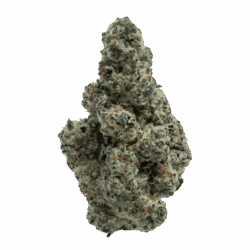
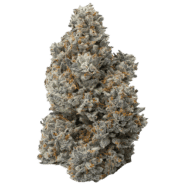
A jar that smells bright and citrusy, deeply earthy, or like something escaped from a tire shop is giving you real sensory information. You don’t need a spreadsheet to notice that.
Terpenes vs THC at the Counter: Use Both
A better shopping habit is to stop asking which single number wins.
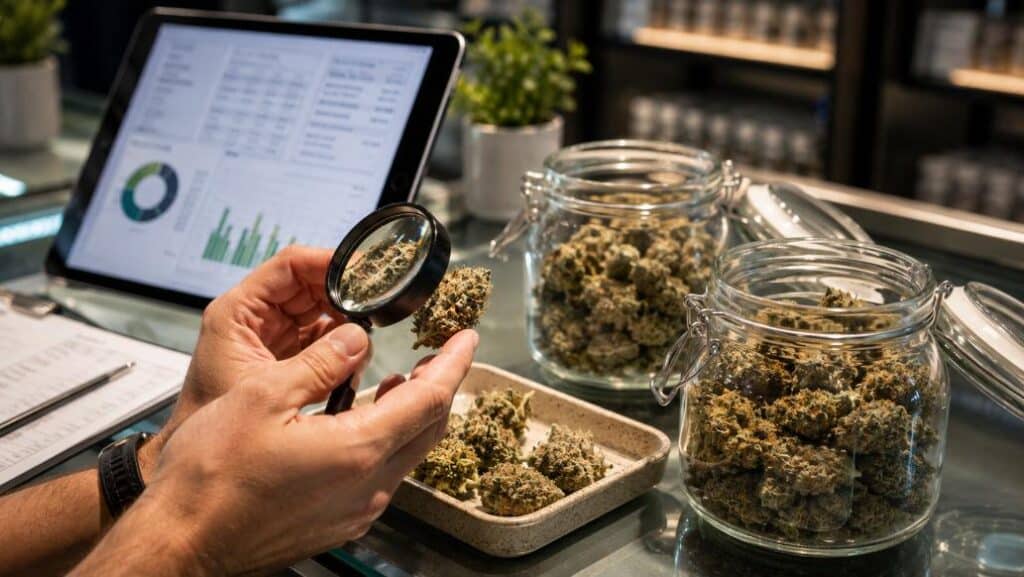
Start with a THC range that fits your preferences. Ask what the batch tested at, smell the jar if you can, and notice what you’re actually picking up. Citrus, fuel, earth, something sweet. Then remember it. Three or four jars in, you’ll know your own pattern better than any menu number.
Every batch here is lab tested with a COA, so that information is there when you want it.
THC still matters for potency. The point is not to replace one shopping shortcut with another. Pair potency with aroma, terpene data, and your own preferences, and you have a better way to compare flower.
Final Thoughts
Terpenes vs THC shouldn’t become another cannabis argument with teams and jerseys. THC percentage has a job. Terpene information has a job. Your nose gets a vote too.
Use potency as one clue, terpene profiles as another, and pay attention to the flower you enjoy. Cannabis shopping gets more interesting once one percentage stops running the whole show.
FAQs
Are terpenes more important than THC?
Not across the board. THC is important for potency, while terpenes contribute to aroma and flavor and may influence the broader experience. One does not replace the other.
How many terpenes are in cannabis?
More than most menus let on. One 2026 study identified 227 volatile terpenes across the samples it analyzed, which is why a three-name terpene list is a starting point rather than a full picture.
Does higher THC mean better weed?
No. Higher THC means more THC, not automatically better aroma, flavor, cure, freshness, or overall quality.
Can you smell how strong cannabis is?
Not reliably. Research has found that perceived potency based on aroma does not necessarily match measured THC content, so your nose is useful for aroma, not lab testing.
What should I check besides THC percentage?
Look at the batch COA, available terpene information, aroma, product type, and your own past preferences. A few good clues usually tell you more than a single number.