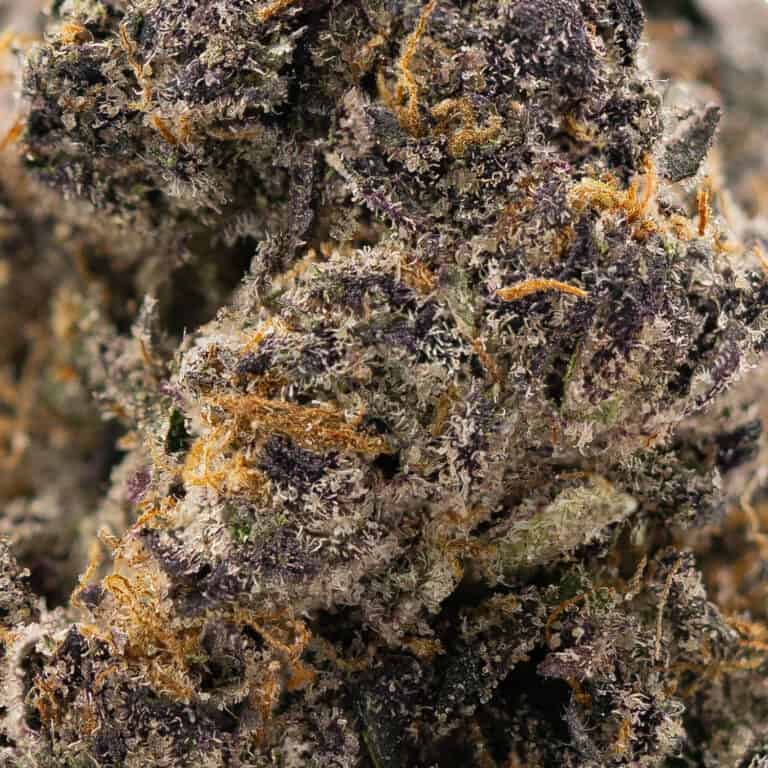
Cannabis has no shortage of fascinating compounds, but one lesser-known molecule is starting to steal the spotlight: Tetrahydrocannabivarin, or THCV. It’s often called the THCV weight management cannabinoid because of its unique ability to influence appetite, metabolism, and energy regulation. But how exactly does it work, and is the hype justified? Let’s unpack what science says so far.
Key Takeaways
-
THCV is a naturally occurring cannabinoid with appetite-suppressing and metabolic-balancing properties.
-
It interacts with CB1 and CB2 receptors differently than THC, reducing hunger instead of stimulating it.
-
Early studies suggest THCV could support weight management and glucose regulation.
-
It is not psychoactive in low doses, though high concentrations might cause mild stimulation.
-
More research is needed before calling it a definitive “diet cannabinoid.”
What Makes THCV Different From THC?
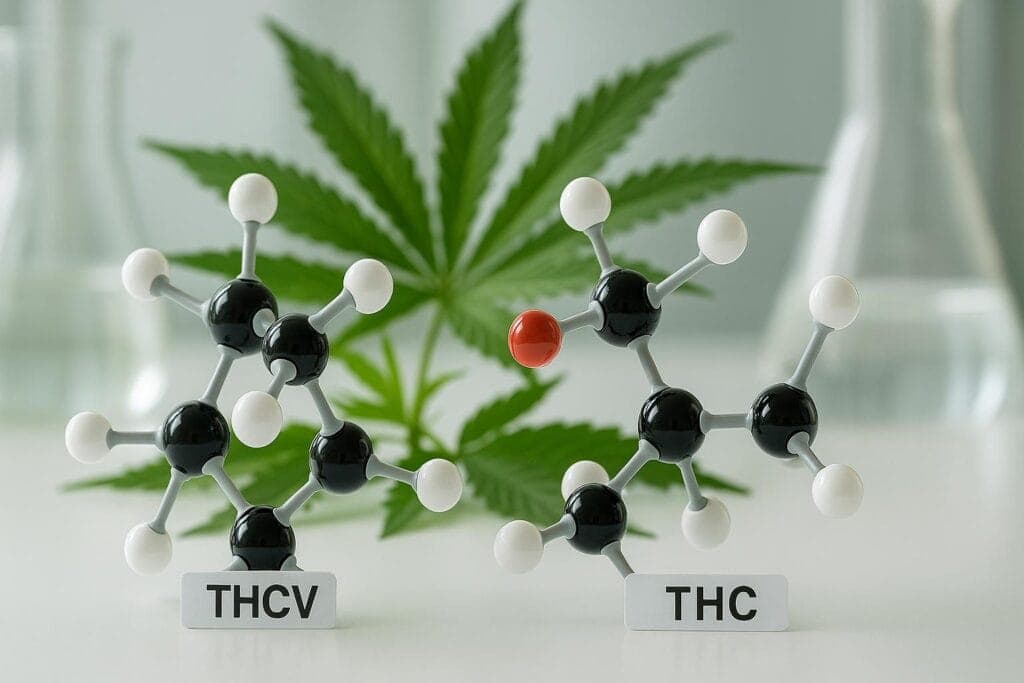
At first glance, THCV looks almost identical to THC, the compound responsible for cannabis’s euphoric effects. The difference lies in a few carbon atoms—small, but significant.
That slight structural change means THCV interacts differently with your body’s endocannabinoid system (ECS). Instead of activating the CB1 receptor (which increases appetite), THCV can block it at low doses. This mechanism is the reason it’s often called the THCV weight management cannabinoid, as it may help reduce hunger and support metabolic balance.
Think of it like a dimmer switch for your appetite, THC turns the brightness up, while THCV gently turns it down.
Research from The Journal of Cannabis Research found that THCV could improve insulin sensitivity and reduce glucose intolerance in certain metabolic models. Scientists are now exploring its potential in managing obesity and type-2 diabetes.

How the THCV Weight Management Cannabinoid Affects Appetite
The buzz around THCV isn’t just marketing fluff, it’s grounded in real biological mechanisms. Here’s how it works:
-
CB1 Receptor Antagonism: THC activates CB1 receptors, leading to the classic “munchies.” THCV does the opposite, potentially blocking those signals.
-
Improved Energy Metabolism: Early studies show THCV may enhance fat oxidation and increase energy use, helping the body burn calories more efficiently.
-
Blood Sugar Regulation: THCV could play a role in balancing glucose and insulin, both critical for appetite control.
In short, instead of increasing appetite like THC, THCV may tell your body it’s satisfied sooner.
Does THCV Really Help With Weight Management?
So far, the evidence looks promising but not definitive. In animal studies, THCV reduced food intake and improved metabolic markers. A small human trial published in Diabetes Care reported improved fasting glucose levels and better pancreatic function in people who took THCV.
However, long-term clinical trials are still limited. Most researchers caution that THCV isn’t a miracle weight-loss solution, it’s a potential support compound for appetite control and energy balance.
It’s worth thinking of THCV as a helper, not a replacement for healthy eating, sleep, and exercise.
Other Potential Benefits of THCV
Aside from its reputation as the THCV weight management cannabinoid, this compound shows promise in several other areas:
| Potential Benefit | What Studies Suggest |
|---|---|
| Energy & Focus | Users report clearer thinking and mild stimulation. |
| Blood Sugar Control | May improve insulin sensitivity and reduce glucose spikes. |
| Anti-Inflammatory Effects | Could help modulate inflammation in chronic conditions. |
| Bone Growth Support | Early studies indicate possible stimulation of bone formation. |
How to Try THCV Safely
If you’re curious about the THCV weight management cannabinoid, consider these factors before diving in:
-
Product Quality: Always choose lab-tested THCV products. Look for third-party verification and certificates of analysis.
-
Form & Dosage: Common options include tinctures, capsules, and vape oils. Start with a low dose to gauge effects.
-
Legality: THCV derived from hemp is federally legal under the 2018 Farm Bill, though local laws may vary.
-
Combination Effects: THCV often appears in blends with CBD or delta-8 THC, which can influence the overall experience.
As with any cannabinoid, consult a qualified healthcare provider if you have underlying health conditions or take medication.
Dispelling Common Myths About THCV
There’s plenty of excitement surrounding THCV, but also a fair share of confusion. Some people assume it’s a guaranteed weight-loss compound or that it produces the same high as THC—neither is true. While THCV can help regulate appetite, it doesn’t automatically lead to weight loss, and its psychoactive effects are minimal at standard doses. Others think THCV is a brand-new discovery, but scientists have actually known about it since the 1970s. It’s only now, with modern extraction technology, that it’s becoming commercially available and more widely researched.
Final Thoughts
The THCV weight management cannabinoid stands out as one of the most intriguing discoveries in cannabis science. It’s not about chasing a “diet weed” trend, it’s about understanding how cannabinoids influence metabolism, hunger, and overall wellness.
As research continues, THCV could become a key player in cannabis-based health supplements, especially for people seeking more focus, balance, and body awareness. For now, stay informed, stay curious, and remember: sustainable health isn’t about quick fixes, it’s about smart, evidence-based choices.
FAQs
What is THCV used for?
THCV is primarily studied for appetite control, metabolic balance, and blood sugar regulation. Some users also report increased energy and mental clarity.
Is THCV psychoactive?
In small doses, THCV is non-psychoactive. At higher levels, it can create a mild, stimulating high that feels different from THC.
Is THCV legal in the U.S.?
If derived from hemp with less than 0.3% THC, THCV is federally legal under the 2018 Farm Bill. Always double-check your state’s regulations before purchasing.
Can THCV help with diabetes or insulin resistance?
Preliminary studies suggest THCV may improve insulin sensitivity, but it should never replace prescribed treatments. Speak with a healthcare provider first.
How does THCV compare to CBD?
CBD is known for relaxation and anti-inflammatory effects, while THCV is more energizing and may influence appetite and metabolism. Many products combine the two for balance.