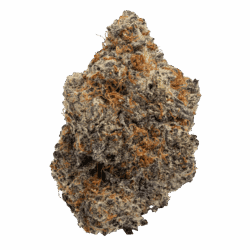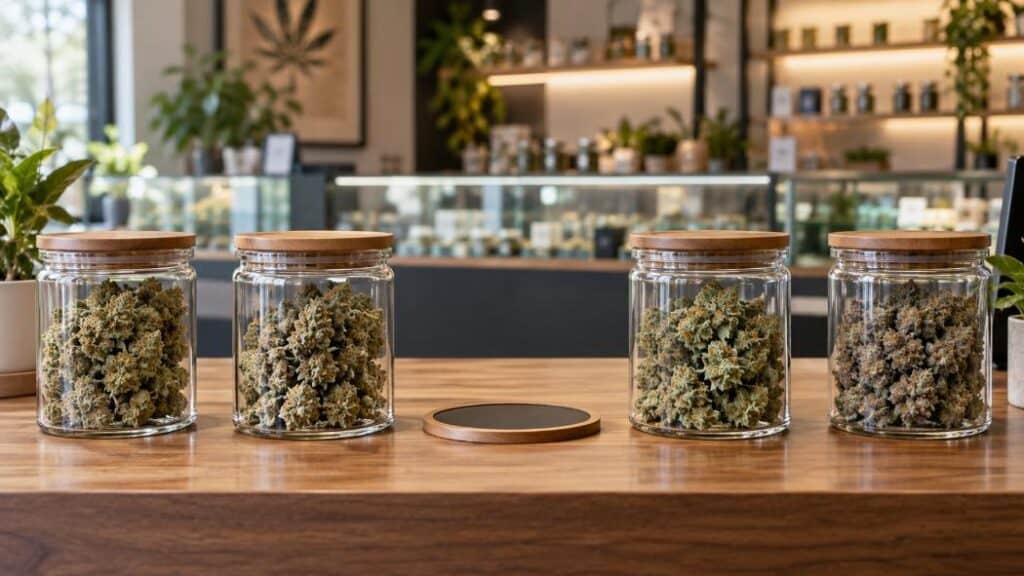
Cannabis strain availability barely crosses your mind once you finally find the one. The jar smells right, the flavor hits, and for three glorious visits you stop staring at the menu like it contains a trick question.
Then you come back and it’s gone.
Flower isn’t stocked like cereal in aisle seven. Harvests finish, batches sell through, genetics rotate, and sometimes a favorite disappears long enough to feel personal.
Key Takeaways
- Strain availability changes with harvests, batch size, and rotating genetics.
- A familiar strain name doesn’t guarantee the next batch will be identical.
- Aroma, terpene profile, potency range, and the COA can help you find a good replacement.
Why Cannabis Strain Availability Changes
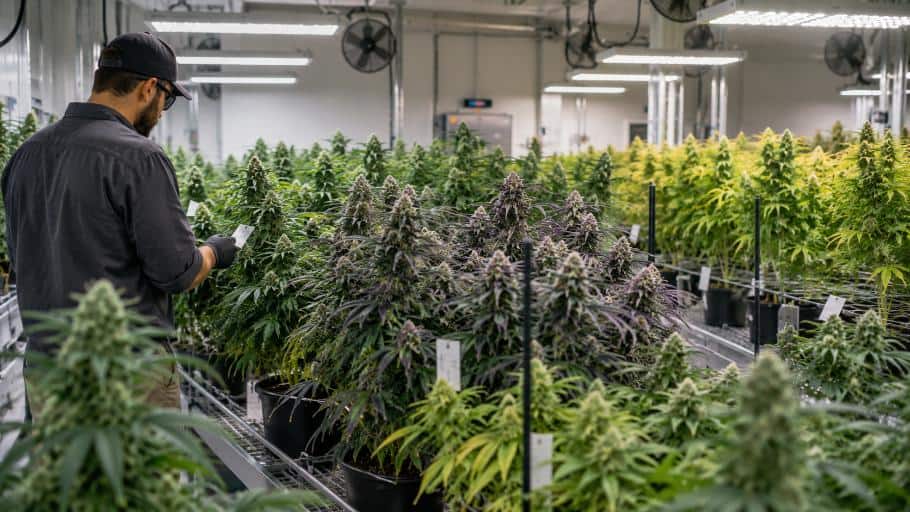
Cannabis starts as a plant, so every batch has a beginning and an end. You can’t pull another harvest off a warehouse shelf just because six people asked for it on Saturday.
Growers may rotate genetics, run some cultivars in smaller batches, or make room for something new. A popular batch can also sell through before the next cycle is ready. That’s a normal part of rotating flower, not necessarily a sign that the strain has vanished forever.
Menus are closer to a rotating tap list than a supermarket shelf. Annoying when your favorite disappears, yes, but also part of why flower menus keep changing.

Same Strain, Different Batch
A strain name is useful, but it’s not a fixed recipe.
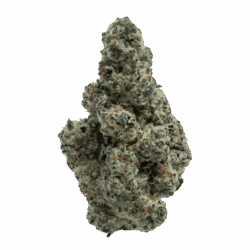
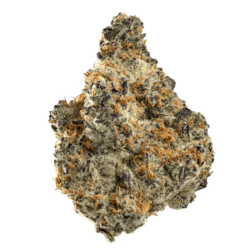
Even genetically identical plants can finish differently depending on how and where they were grown. The current batch still deserves a look, which is why aroma, batch information, and the COA matter when an old favorite returns.
If your favorite comes back three months later, don’t assume the new jar is a carbon copy. Same name, familiar genetics, different batch.
Your Favorite Is Gone. What Do You Match Next?
Don’t start by hunting for the cleverest replacement name. Start with the parts of the old strain you actually liked.
| What You Liked | What to Compare Next |
|---|---|
| Aroma and flavor | Terpene profile and your nose |
| Potency | Batch THC range and COA |
| Flower character | Bud structure, cure, and freshness |
If the old favorite leaned citrusy, earthy, fruity, or fuel-heavy, start there. Compare the potency range too. You’re looking for familiar clues, not a genetic stunt double wearing the same jacket.
A budtender can do more with “I liked the sharp citrus aroma and this potency range” than “Do you have anything named almost the same?”
At Chronic Guru, every batch is lab tested and has a COA, so you have more to work with than a name alone.
Rotating Cannabis Strains Can Lead to Better Finds
Losing a favorite can push you toward flower you would’ve skipped. Rotating genetics give you a reason to notice what you actually liked about the product, not just the strain name.
Over time, those clues become more useful than chasing one exact label. That’s the upside of changing cannabis strain availability: the next great jar may not share a name with the last one.
Final Thoughts
Losing a favorite strain is a tiny cannabis tragedy. You found your thing, came back for your thing, and your thing apparently left town without saying goodbye.
But cannabis strain availability is part of buying a plant product in a market built around changing harvests and genetics. Follow the qualities you already enjoy, check the current batch, and stay open to the possibility that your next favorite is waiting one jar over.
FAQs
Why do cannabis strains disappear from dispensary menus?
A batch may sell out, a cultivar may rotate out of production, or the next harvest may not be ready yet. Availability can change from one production cycle to the next.
Can the same strain come back later?
Yes. A cultivar may return in a later cycle, but the next batch may not be identical to the one you bought before.
Can I find the same strain under a different name?
Sometimes names overlap or vary across producers, but names alone are not a reliable way to compare flower. Aroma, terpene information, potency, and batch testing are better clues.
How do I find something similar to my favorite strain?
Start with the traits you actually enjoyed. Compare aroma, terpene profile, potency range, and current batch quality rather than chasing a similar-sounding name.