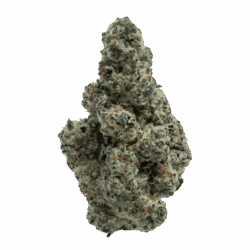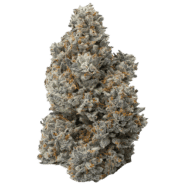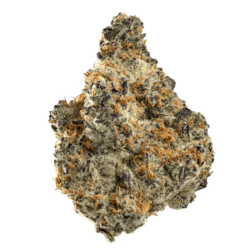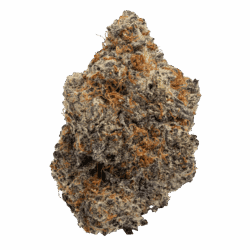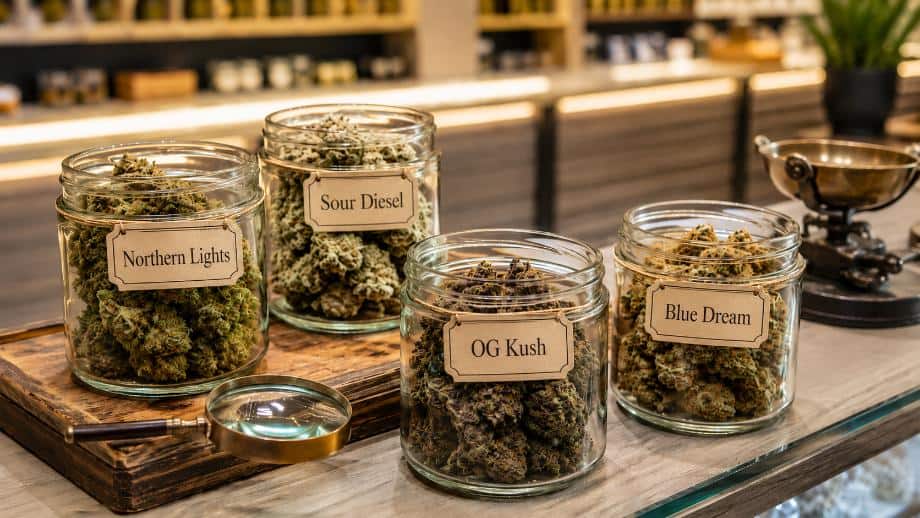
Retro cannabis strains are returning because familiar flavor still matters. Names like Northern Lights, Sour Diesel, Blue Dream, Skunk, and OG Kush built loyal followings before every menu started sounding like a bakery with a fog machine.
The comeback is not only nostalgia. Older genetics give shoppers recognizable aromas, give breeders established material to work with, and make a crowded menu easier to understand.
Key Takeaways
- Familiar flavor profiles give older strains staying power.
- Many newer hybrids still carry older genetic lines somewhere in their pedigrees.
- A famous name does not guarantee the flower matches the version people remember.
- Breeders revisit older lines because useful traits can still support new crosses.
Retro Cannabis Strains Bring Back Distinct Flavor
Modern menus can offer plenty of names while leaning on related dessert, candy, and fuel-heavy families. Retro cannabis strains bring back sharper differences, from the incense associated with Haze to the pine and fuel people connect with older OG lines.
That variety gives shoppers a break from guessing which pastry-themed cross is hiding behind the label. A familiar name offers a clearer starting point, especially for someone shopping by aroma and flavor rather than chasing the highest number on the jar.
Famous Cannabis Genetics Never Really Left
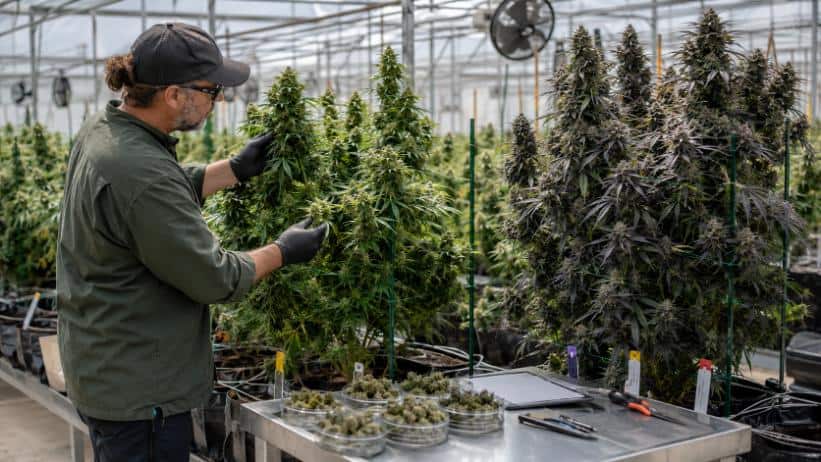
Many older strains faded from the center of dispensary menus, but their genetics stayed busy backstage. Decades of crossing and selection created considerable overlap throughout modern cannabis family trees.
Breeders can return to an older line, select for aroma, plant structure, flowering time, or resin production, and build something new around it. The finished cross may carry a familiar nose without being a copy of the original.
CG Budtender Take: You can tell when someone knows the classics. They smell the jar and you can see the recognition hit.
Why the Same Strain Name Can Taste Different
A strain name is useful, but it is not a genetic fingerprint. Research has found that flower sold under the same name can sometimes show real genetic differences.
Seed-grown plants from the same cross can express different traits. Even matching clones can finish differently depending on how they are grown, harvested, dried, and cured.
That is why one Sour Diesel can smell sharp and loud while another barely gets the cap off the gas can. The name starts the conversation. The grower, batch, aroma, and lab results tell you what is actually in front of you.
Quick Reference: Why Older Strains Return
| What Returns | Why It Matters |
|---|---|
| Recognizable aroma | Shoppers know what they are looking for |
| Foundational genetics | Breeders gain useful material for new crosses |
| Familiar names | Menus become easier to navigate |
| Cultural history | The strain carries a story beyond packaging |

Familiar Strain Names Need a Reality Check
This is a big one. Studies of commercial cannabis have found plenty of overlap behind all those different strain names. In plain English, the menu can look more different on paper than the flower actually is.
Treat a famous name as a clue, not a certificate. Check the lineage, smell the flower, and check the COA when it’s available. A famous label cannot rescue a jar that smells like basement cardboard.
Final Thoughts
The return of retro cannabis strains does not mean modern breeding missed the point. It means novelty and quality are not the same thing.
Older cultivars earned loyal followings because they were easy to recognize by flavor and personality. Some will return as close recreations, while others will show up inside newer hybrids. Either way, the modern menu still owes plenty to the strains that built it.
FAQs
Are retro strains the same as landrace strains?
No. Landrace strains developed in specific regions over generations. Retro strains are older, recognizable cultivars and may be hybrids.
Why are older weed strains coming back?
Shoppers and breeders are paying more attention to familiar flavors, established genetics, and names with real history.
Are famous strain names always accurate?
Not necessarily. Different breeders and growers may offer different versions of the same named strain.
Are newer cannabis strains better?
Not automatically. Genetics, cultivation, cure, freshness, and storage matter more than the age of the name.